
Landscape watering in arid Arizona
Guide that breaks water down by the numbers, so you can water confidently. It covers measurements like how deep to water, how much to apply, how many emitters per plant, and how many days to wait between watering.
Guide that breaks water down by the numbers, so you can water confidently. It covers measurements like how deep to water, how much to apply, how many emitters per plant, and how many days to wait between watering.
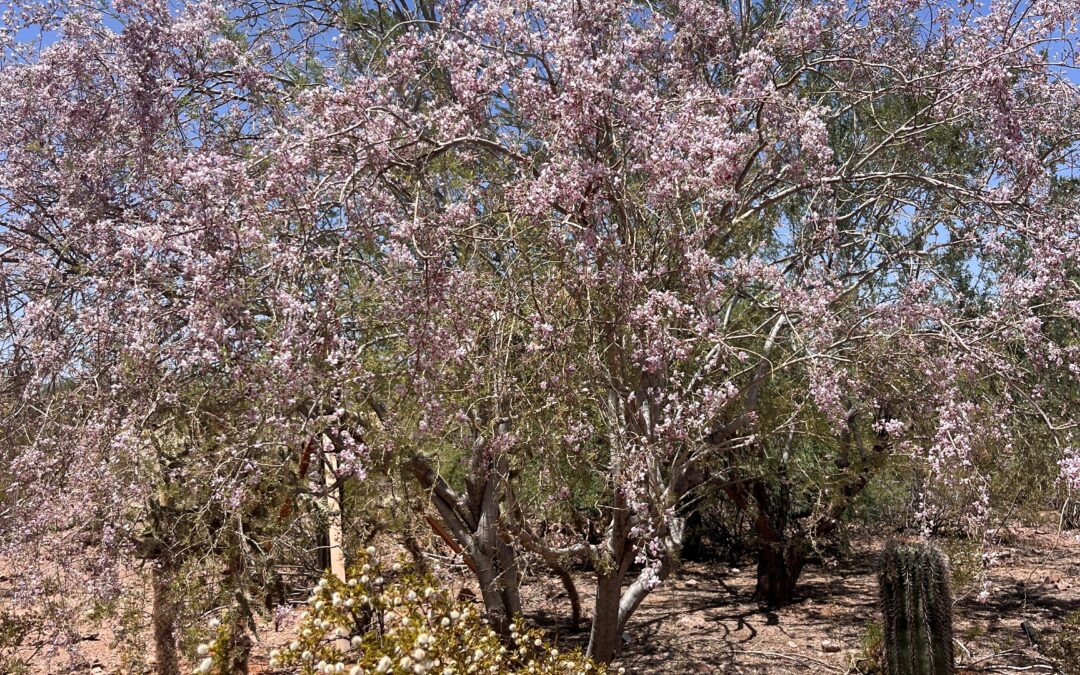
Maricopa County Cooperative Extension, the City of Phoenix, and a team of stakeholders have collaborated to build this Tree Reference Guide for Maricopa County.
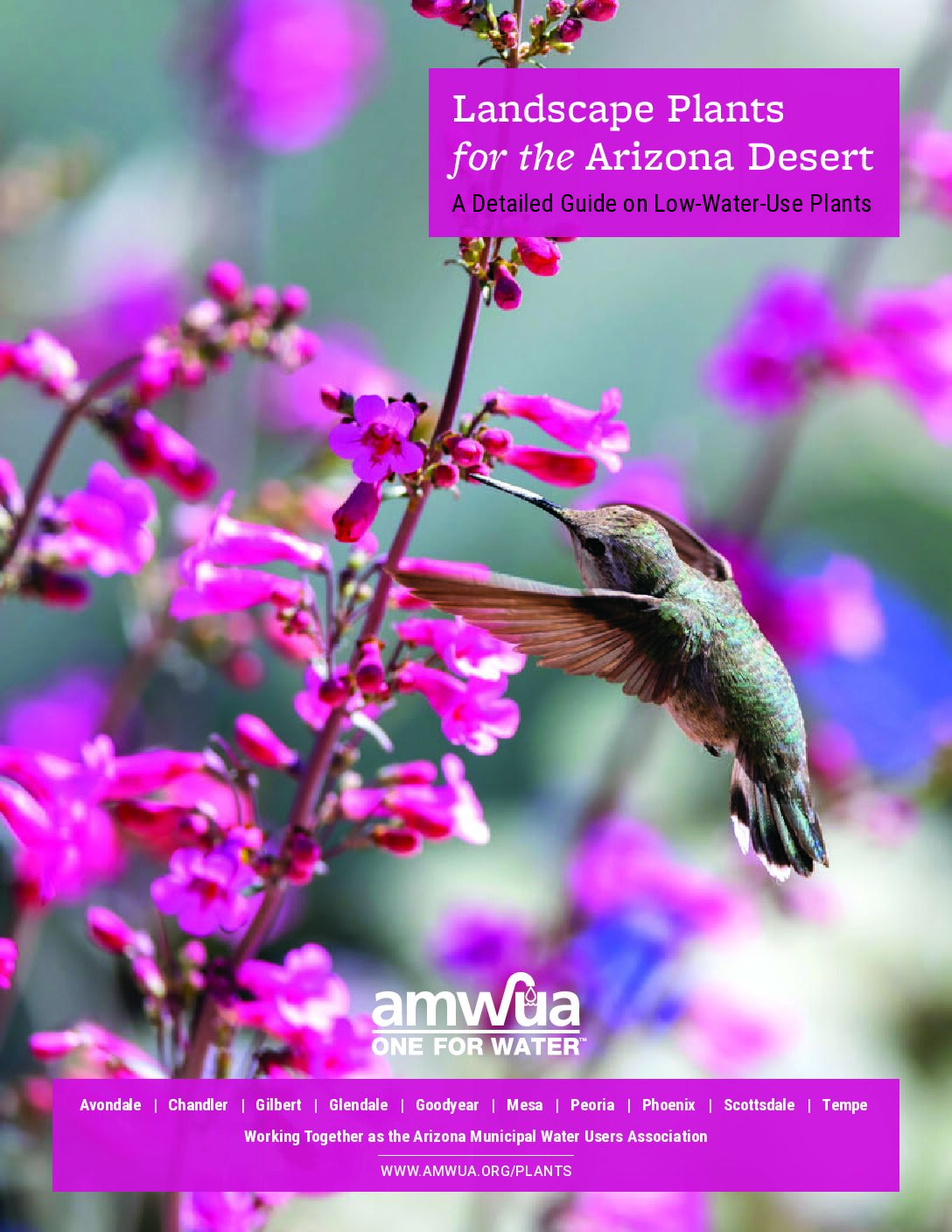
AMWUA guide to low water use plants in desert landscaping
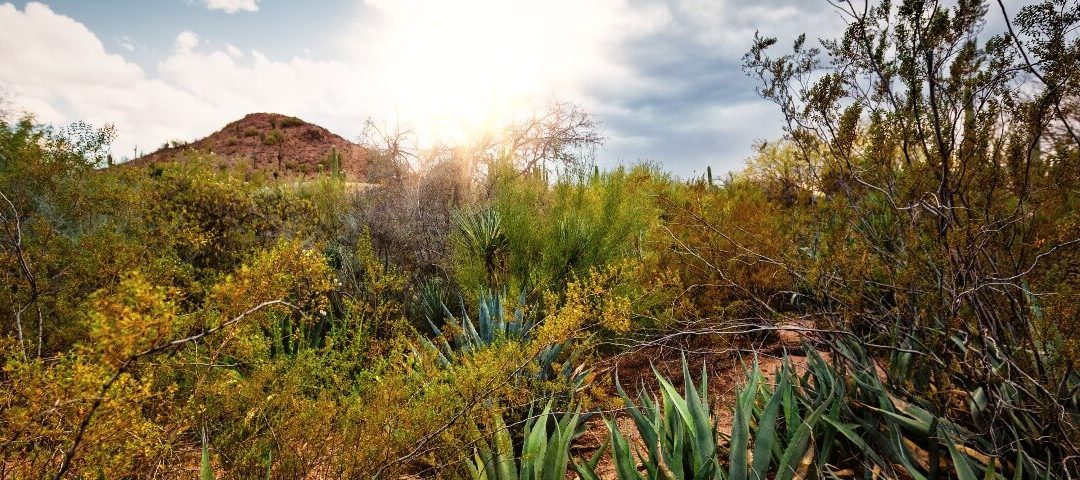
If you’re planning on revamping your landscape this winter, one of the best design resources is your local xeriscape demonstration garden. They provide practical, first-hand examples of plants and plant combinations. Many of the gardens also have shady places to enjoy a picnic lunch, so plan to spend some time exploring and enjoying the surroundings as you build ideas for your home landscape. Visit again as the seasons change to get an idea of how the plants look at different times of the year. Did we mention that many of these gardens are free to visit year-round?

Building a rain garden is an easy and affordable way to beautify your yard, and we’re here to help you get started. Rain gardens are the containers that catch rainfall and support the growth of rain gardens—stunning ecosystems of plants and trees that help clean and recharge groundwater, provide habitat for native species, cool homes and sidewalks, and reduce flooding. Building your own rain garden is a quick and simple project that can be done at your home, school, place of worship, or other places around your neighborhood!

A step-by-step guide to creating a sustainable desert-adapted landscape.

2012 report from the Arizona Association of Environmental Education on the state of environmental education in the state.
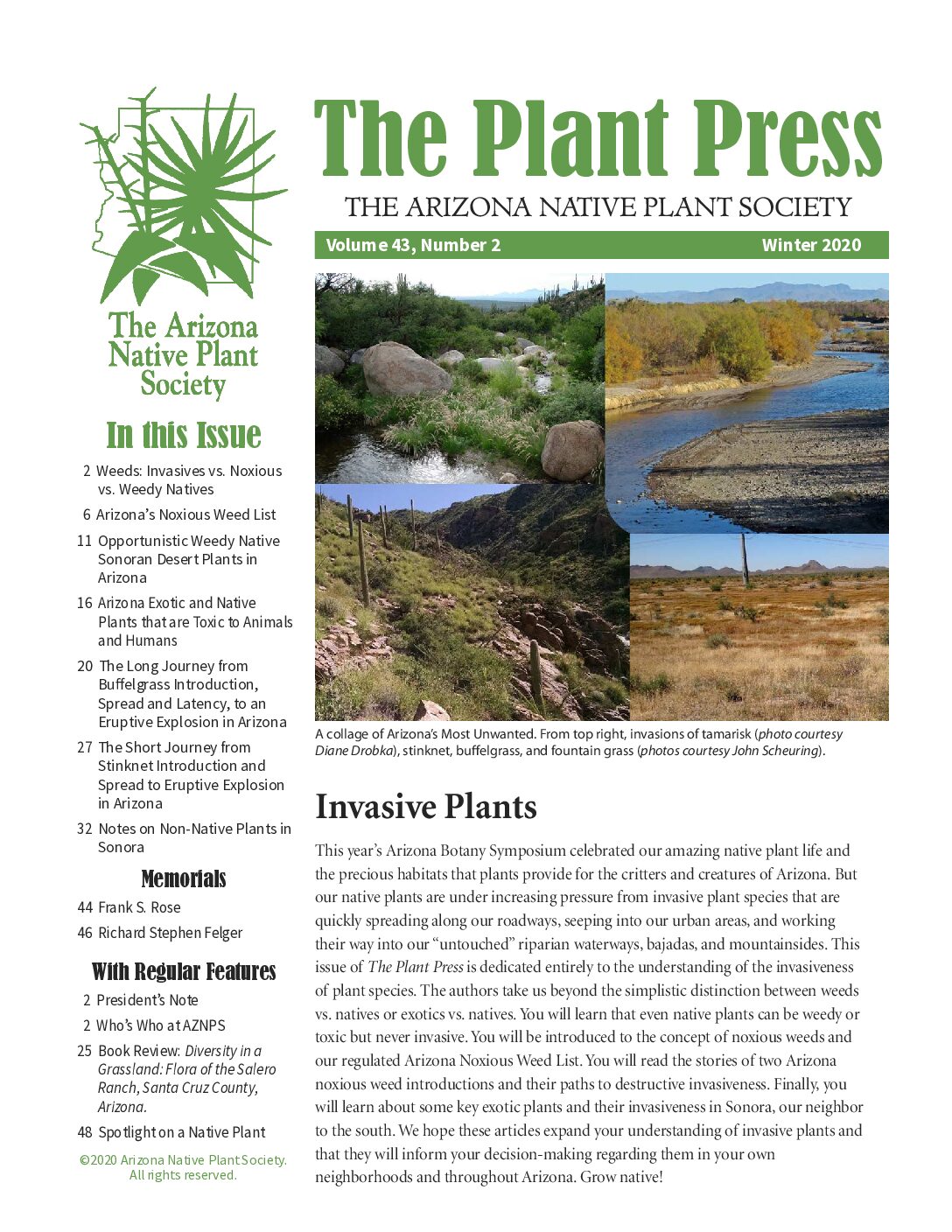
Vol 32 No 2 from the Plant Press by AZ Native Plant Society – this issue is focused on invasives vs noxious weeds vs weedy natives, Arizona’s noxious weeds list, papers on buffelgrass and stinknet, plus much more!
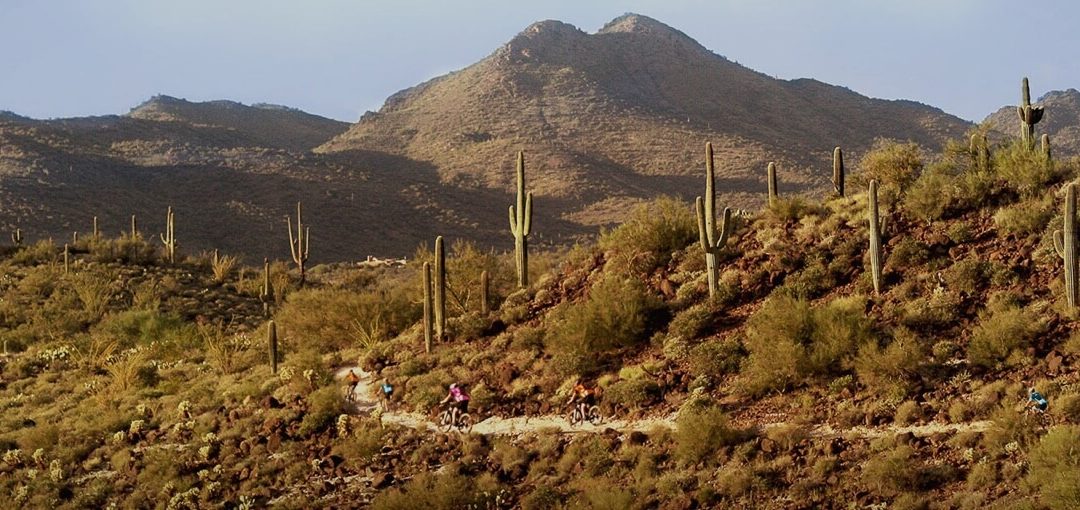
This primer is designed to assist communities and open space advocates in crafting a compelling case
for open space protection, find funding and start meaningful dialogue and assessment on this topic.
The primer focuses on activities, information sources, talking points about the benefits of open space,
successful local case studies, and key messaging strategies that can be incorporated in a case statement.


Recent Comments