by Mary Chisholm | Oct 19, 2026
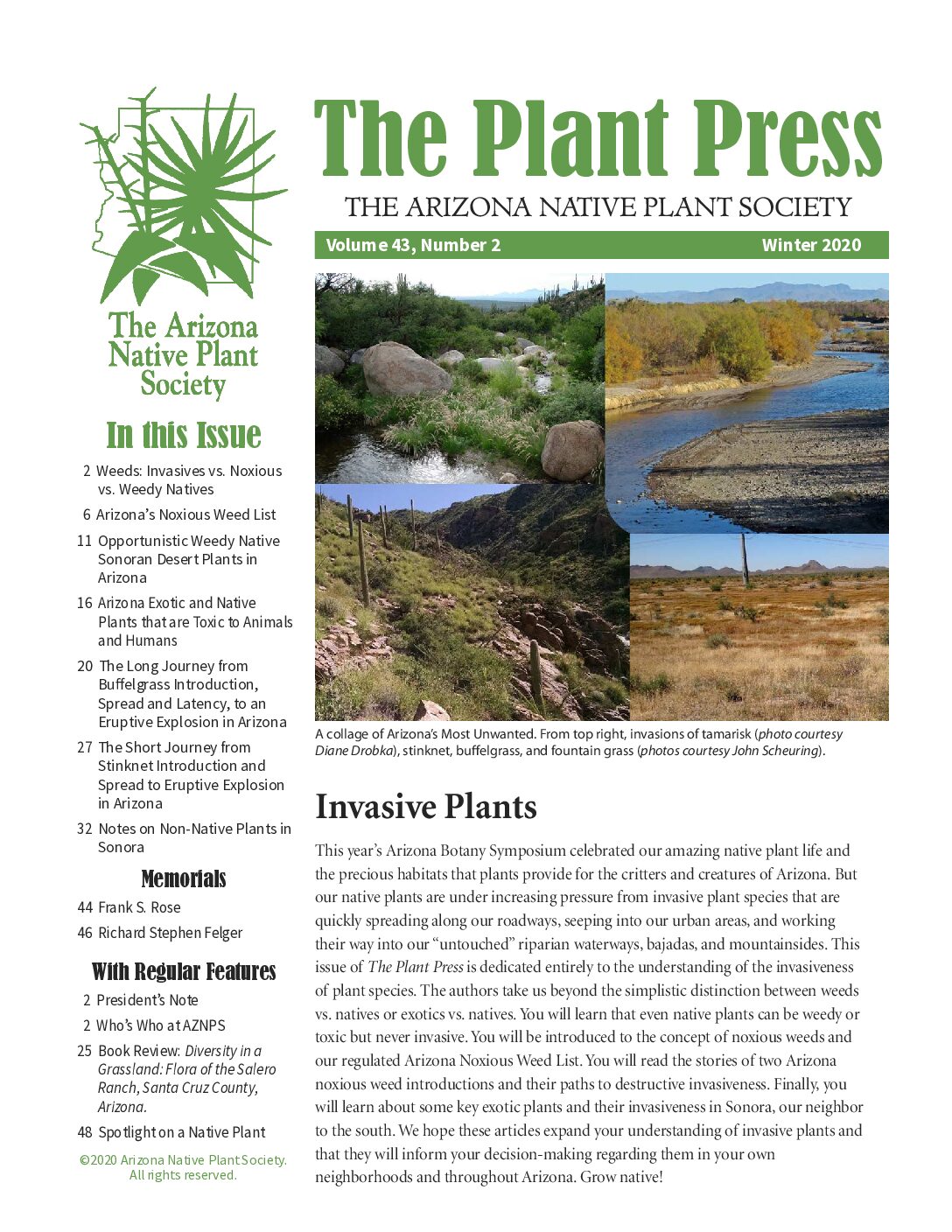
Vol 32 No 2 from the Plant Press by AZ Native Plant Society – this issue is focused on invasives vs noxious weeds vs weedy natives, Arizona’s noxious weeds list, papers on buffelgrass and stinknet, plus much more!
by Mary Chisholm | Oct 5, 2026
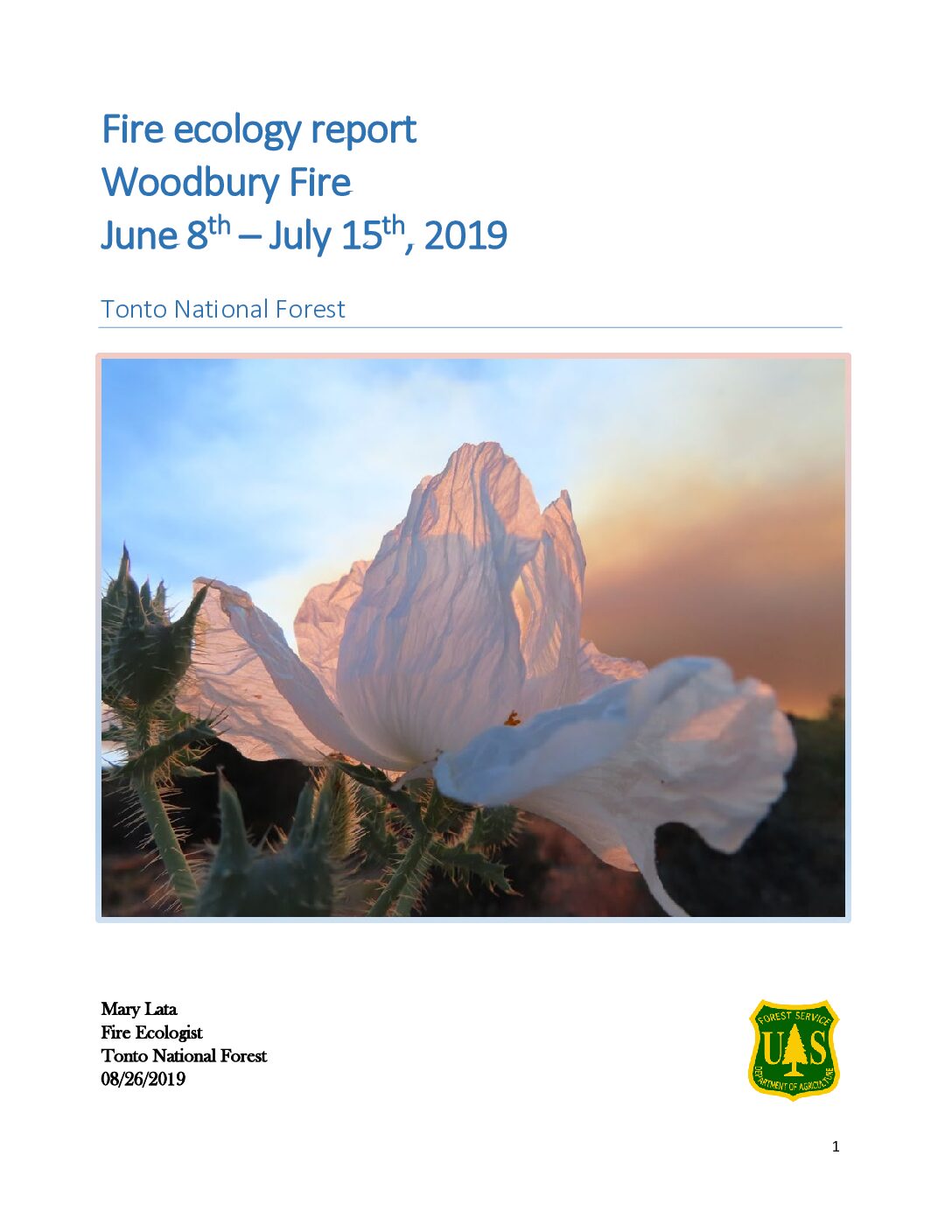
Fire ecology final report: Woodbury Fire: June 8th – July 15th, 2019
by Mary Chisholm | Oct 5, 2026
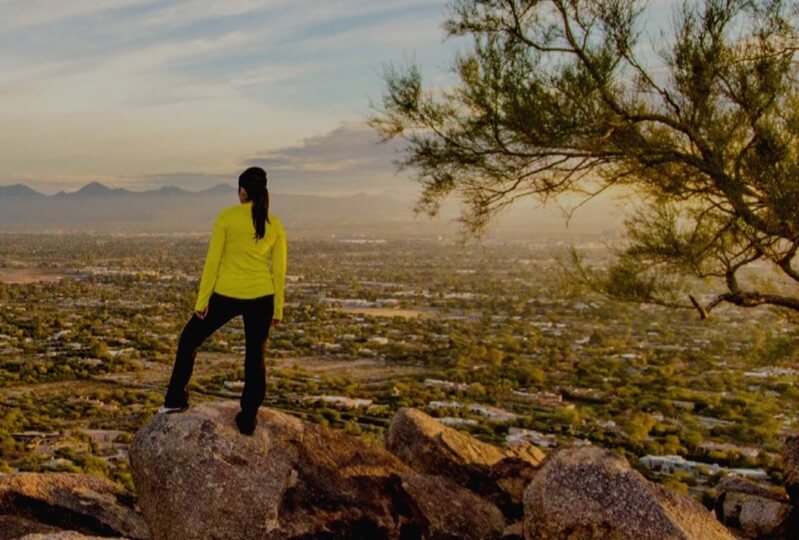
This applied project draws on theories and research on landscape ecology and ecological design
that show that connectivity between open spaces is beneficial to humans and biodiversity, which
motivates the following research question: what is the optimal open space network based on both
social and ecological criteria for the Phoenix Metro? The results of this project can help inform
planners, regional planners, designers, and other decision makers in identifying opportunities to
build a robust open space network in the Phoenix metro.
by Mary Chisholm | Oct 5, 2026
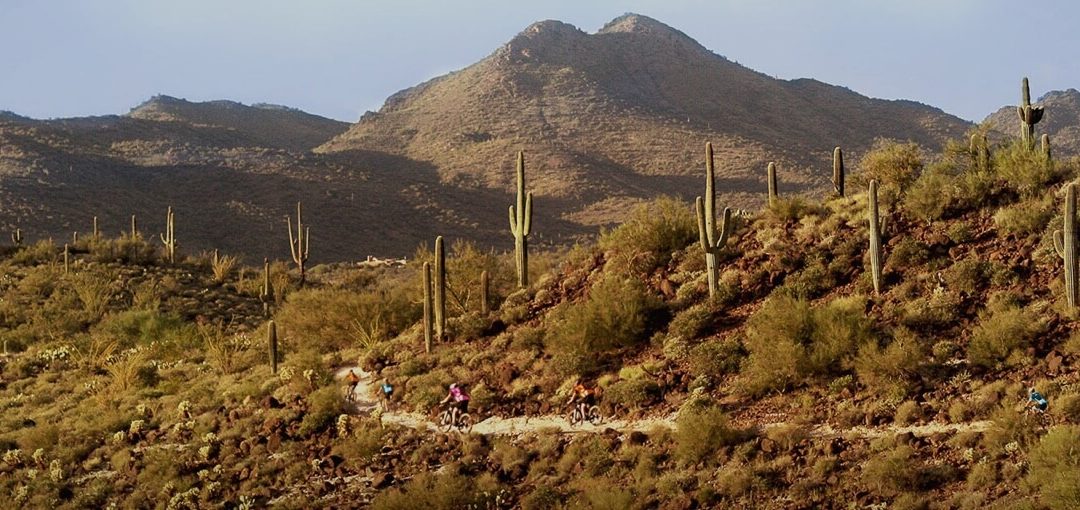
This primer is designed to assist communities and open space advocates in crafting a compelling case
for open space protection, find funding and start meaningful dialogue and assessment on this topic.
The primer focuses on activities, information sources, talking points about the benefits of open space,
successful local case studies, and key messaging strategies that can be incorporated in a case statement.

by Mary Chisholm | Oct 5, 2026
The Regional Open Space Strategy (ROSS) is a first iteration road map and action agenda. It is in no way exhaustive. It lays out fundamental initial steps toward unified, cohesive, regional open space conservation, but acknowledges there still exists gaps in information, collaboration, and coordination. In the ROSS, we put forward clear, concise objectives and specific on-the-ground, highly achievable strategies inclusive of the social, cultural, environmental values of communities. When fully implemented, the ROSS will deliver a connected, distinctive, well-managed open space network that will enhance the unique character of the region and enable Maricopa County to realize the full benefits of open space for people, environment, and economy. This is the 2018 update.
by Mary Chisholm | Oct 5, 2026
The Regional Open Space Strategy (ROSS) is a first iteration road map and action agenda. It is in no way exhaustive. It lays out fundamental initial steps toward unified, cohesive, regional open space conservation, but acknowledges there still exists gaps in information, collaboration, and coordination. In the ROSS, we put forward clear, concise objectives and specific on-the-ground, highly achievable strategies inclusive of the social, cultural, environmental values of communities. When fully implemented, the ROSS will deliver a connected, distinctive, well-managed open space network that will enhance the unique character of the region and enable Maricopa County to realize the full benefits of open space for people, environment, and economy. This is the 2019 update.
by Mary Chisholm | Oct 5, 2026
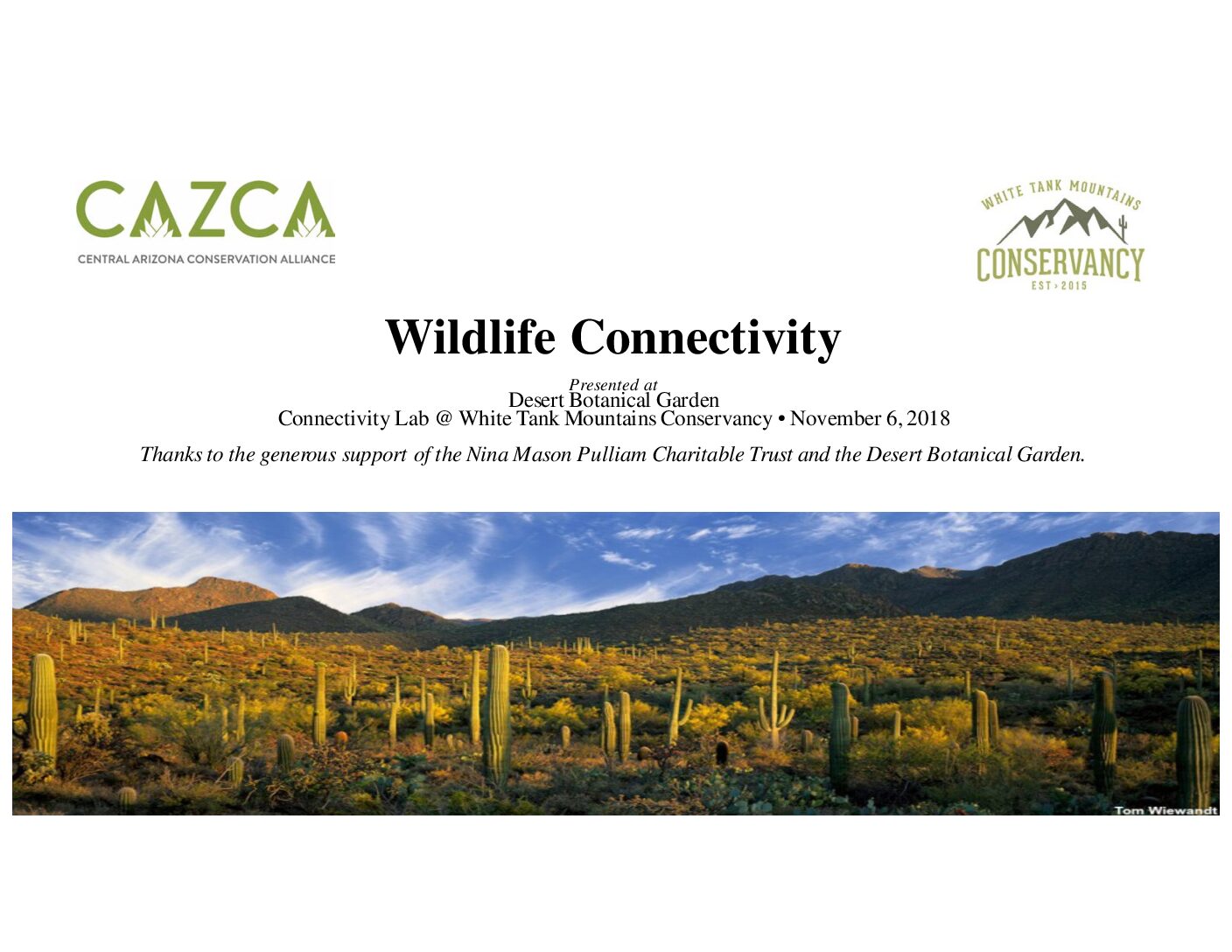
A 9 page presentation on wildlife connectivity in the Central Arizona region.
by Mary Chisholm | Oct 5, 2026
Networks of natural, open spaces provide cities with a variety of benefits, from recreation to mitigation of air and water pollution. If unchecked, urban development often fragments these areas, resulting in a loss of ecosystems and benefits. Proactive regional planning and policies are needed to protect the most valuable patches in and around these urban areas. Join us as Sara Meerow, Assistant Professor at ASU’s School of Geographical Sciences and Urban Planning and Caleb Carpenter former Master’s student, show how geographic information systems (GIS) modeling can be used to identify potential paths to connect open spaces.
by Andrew Ruelas | Sep 1, 2026
You have heard of invasive plants and you have heard of wildfire, but have you heard of invasive plants as a ‘biological wildfire’? Wildfire and invasive plants have more in common than you might think, from their impact to their management. Join us to hear from Willie Sommers, Invasive Plant Program Coordinator with the Arizona Department of Forestry and Fire Management (DFFM). He will discuss weeds as a ‘biological wildfire’, general considerations for wildfire prevention and recovery for burned areas, and explore the the DFFM Invasive Plant Program.

Recent Comments