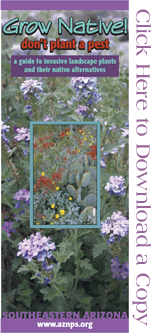
Desert Invaders Flyer
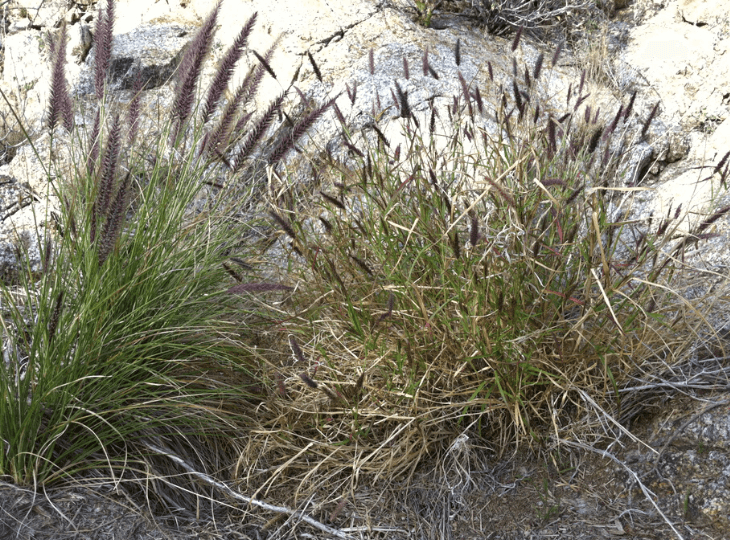
A flyer showing common invasive plant species in Maricopa County.
A visual guide to low desert butterflies and moths as well as their host and nectar plants, and pests.
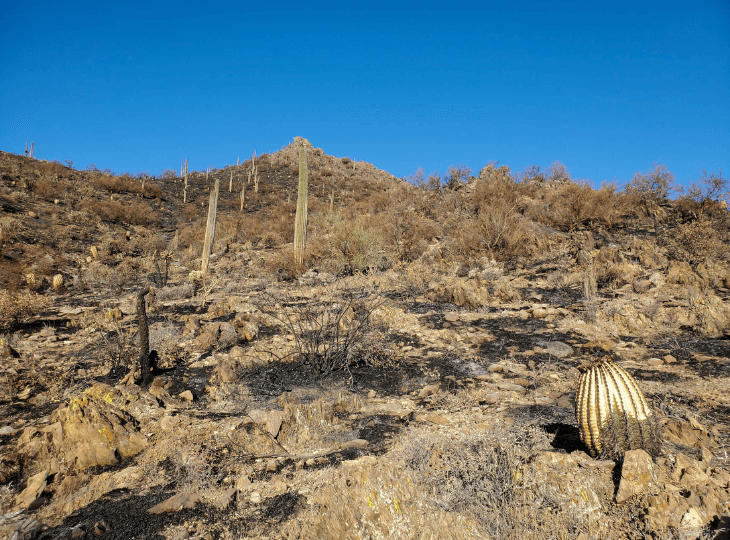
A review of literature shows that both fire and invasive species may cause changes in biological, chemical, and physical properties of desert soils. Although soil may recover from the impacts of fire during succession, these changes are permanent under persistent invasive species
As a complement to the Arizona State Parks 2020 Trails Plan, this study estimates the economic value of non-motorized and motorized trail use to Arizona residents using the travel cost method
K–12 Environmental Education: Guidelines for Excellence is part of a continuing series of documents published by the North American Association for Environmental Education (NAAEE) as part of the National Project for Excellence in Environmental Education. The project is committed to synthesizing the best thinking about environmental education through an extensive process of review and discussion. Hundreds of individuals and organizations representing all aspects of environmental education reviewed working outlines and drafts.
Free guide on How to Use Native and Desert Adapted Plants in Ornamental Horticulture, Identify Invasive Plants, Capture Water, and Other Landscaping Tips & Recommendations
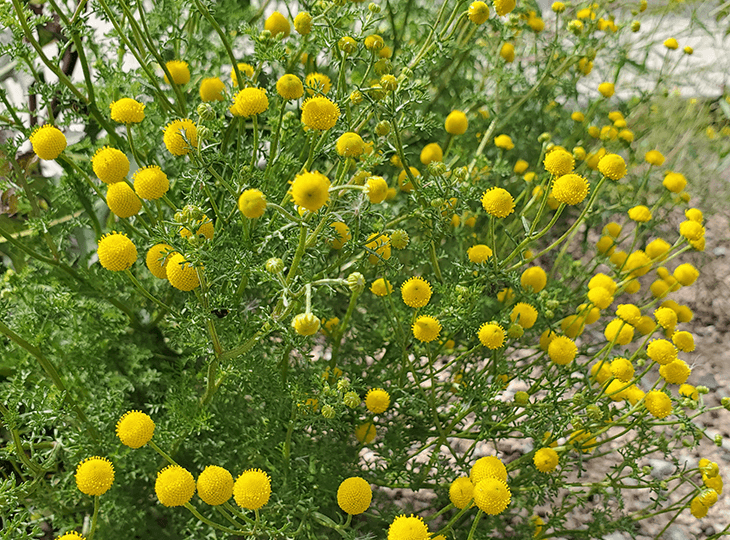
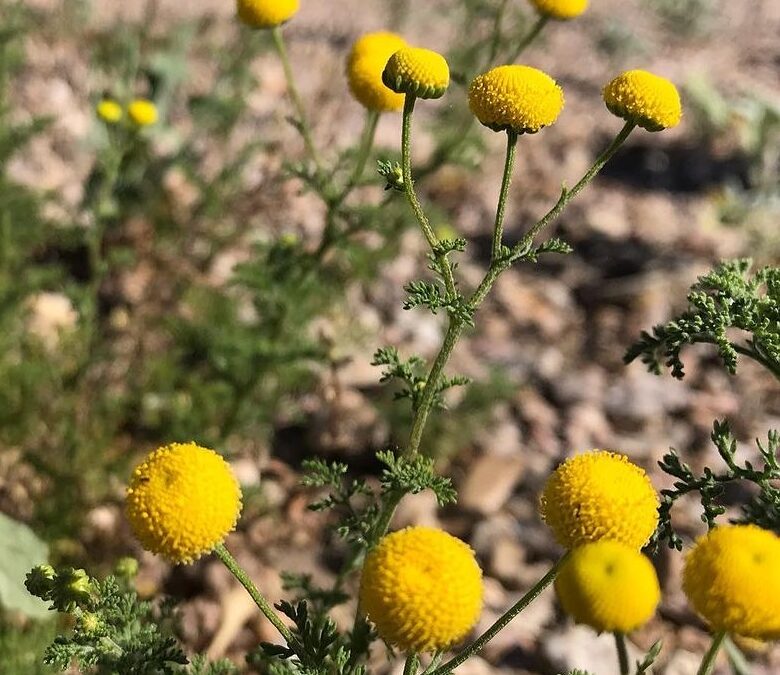
Read the paper published by Rowe (NAU) et al. on their study of herbicide use to control invasive stinknet and its impact on biocrust for restoration.
The voices of Arizonans, and what they want, matter. In The Arizona We Want: The Decade Ahead, the Center for the Future of Arizona shares data and insights about what we
learned from the 2020 Gallup Arizona Survey. The results show that, as Arizonans, we agree on much more than we disagree and that we want the same things, including a strong education system, quality affordable healthcare, sustainable practices that protect our quality of life and equity for all people.
This pocket guide introduces novice and expert naturalists alike to a diverse variety of native and non-native plant species that occur within Maricopa County. Spanning nearly 6,000,000 miles, Maricopa County sits in the northeastern reaches of the Sonoran Desert, a singular and fascinating place on the planet, rich in diversity of people, landscapes, flora, and fauna.
Recent Comments